

Chicago Emergency Plumbing: What to Do When Your Basement Floods
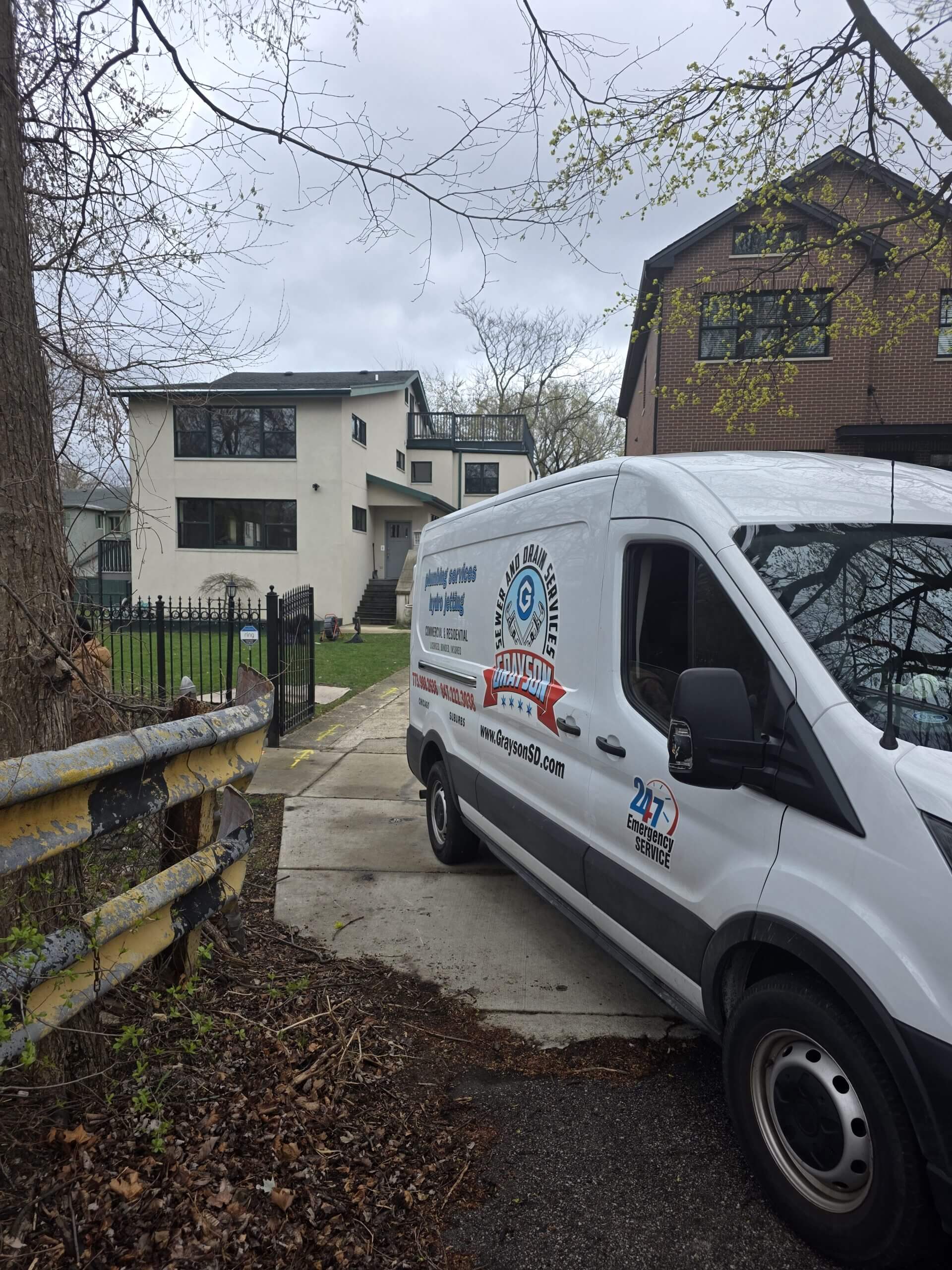
One minute you’re grabbing laundry, and the next you’re ankle-deep in cold, murky water. Welcome to every Chicago homeowner’s worst plumbing nightmare – a flooded basement. And if it hasn’t happened to you yet, consider yourself lucky – because Chicago emergency plumbing calls about basement flooding are far more common than you’d think. Here’s what to do when your basement floods, what not to do (seriously, don’t touch that), and how a residential plumber in Chicago can help turn chaos into calm.
Step 1: Stay Calm – and Stay Safe
Whether it’s from a burst pipe, sewer backup, or a summer storm sneaking in through the foundation, flooding is a real emergency. Your first instinct might be to run in and start saving things. We get it. But before you wade into the water like it’s Lake Michigan, stop. If there’s standing water near any electrical outlets or appliances, stay out.
Call your utility company or a qualified electrician to shut off power to the basement. Water and electricity are not friends – and that combination is more dangerous than the flooding itself. Once you’ve confirmed it’s safe to enter, take photos or videos for insurance. Then it’s time to focus on clean-up and calling in reliable 24/7 emergency plumbing service in Chicago.
Step 2: Find the Source of the Flooding
Basements flood for a few main reasons in Chicago:
- Burst or frozen pipes
- Broken sump pumps
- Sewer line backups
- Overflowing water heaters
- Foundation seepage during storms
If water is still coming in, your first goal is to stop it at the source. Shut off the home’s main water valve if a pipe bursts. If it’s a sewer backup, don’t run any water in your home until the blockage is cleared. That just makes it worse. Still not sure where it’s coming from? That’s where a Chicago residential plumber earns their keep – finding the source fast and fixing it right.
Step 3: Call a 24/7 Plumber in Chicago
Flooding doesn’t wait for office hours. That’s why a 24/7 plumber in Chicago is your lifeline when water starts rising. Time matters – a delay of just a few hours can mean mold, ruined walls, and even structural damage. Professional plumbers will arrive with high-powered pumps, moisture meters, and repair tools ready to go.
They’ll remove the water, diagnose the problem, and begin repairs before things get worse. No matter if you need a sewer repair, or install sewer video inspection to pinpoint the clog or break, this is the best way to deal with any sort of emergency. If it’s a sump pump issue, it might be time to upgrade to a more powerful unit or add a battery backup.
Step 4: Start Drying and Cleanup
Once the water is gone and the leak is stopped, the clock starts ticking on mold. Chicago basements are notorious for dampness, and floodwater brings bacteria with it. If the plumber gives you the green light, open windows, run fans, and get a dehumidifier running. Pull out any soaked carpet or insulation – it can’t be salvaged. And if the water touched drywall, it may need to be removed to prevent rot and mildew. Flooded from a storm? It’s a good time to schedule catch basin cleaning in Chicago, especially if your street drains seem slow to respond. If you use a septic system, septic cleaning might also be necessary after flooding.
Step 5: Prevent the Next Flood
This isn’t a “wait and see” situation. Once you’ve had one flood, your risk of another goes way up – unless you take steps to prevent it. Here’s how to reduce your risk:
- Get your sump pump inspected annually,
- Install a battery backup or water-powered backup pump,
- Schedule regular drain cleaning to avoid slow drains and backups,
- Use a plumbing contractor to inspect your foundation drains,
- If you’ve had a sewer backup, ask about a backflow prevention valve.
And don’t forget about hydro jetting, especially if tree roots or grease are an issue in your sewer lines. It’s like giving your pipes a reset button.
When It’s Not Just Water
Sometimes the water isn’t clean. If your flood involves sewage, contaminated water, or anything that smells unpleasant – don’t try to handle it alone. That’s not just uncomfortable – it is also dangerous. A residential plumber in Chicago who handles emergency plumbing will wear protective gear, sanitize affected areas, and ensure every inch of the damage is properly cleaned and safe.
Bonus tip: If your water heater was involved in the flood, it may need professional water heater repair in Chicago. Moisture and sediment can damage components, and if the pilot light is out, you should never relight it until a plumber says it’s safe.
Trust the Professional Residential Plumber in Chicago if Your Basement Floods
Basement flooding is overwhelming. It’s messy, it’s costly, and it throws your whole life off balance. But you don’t have to figure it out alone. From the first inch of water to the final mop-up, a licensed residential plumber in Chicago will know exactly what to do – and what to prevent next. Call Grayson Sewer and Drain for emergency plumbing services in Chicago, IL.
We’re your go-to 24/7 plumber in Chicago, ready to handle floods, backups, busted pipes, and more. Don’t wait until the damage spreads. Contact us now and get help fast.
Related Articles

How to Remove a Drain Clog Safely
By |

Types of Water Leaks and How to Spot Them Early
By Jeremy Starnes |
