

Slow Drain Repair Service That Fixes the Cause
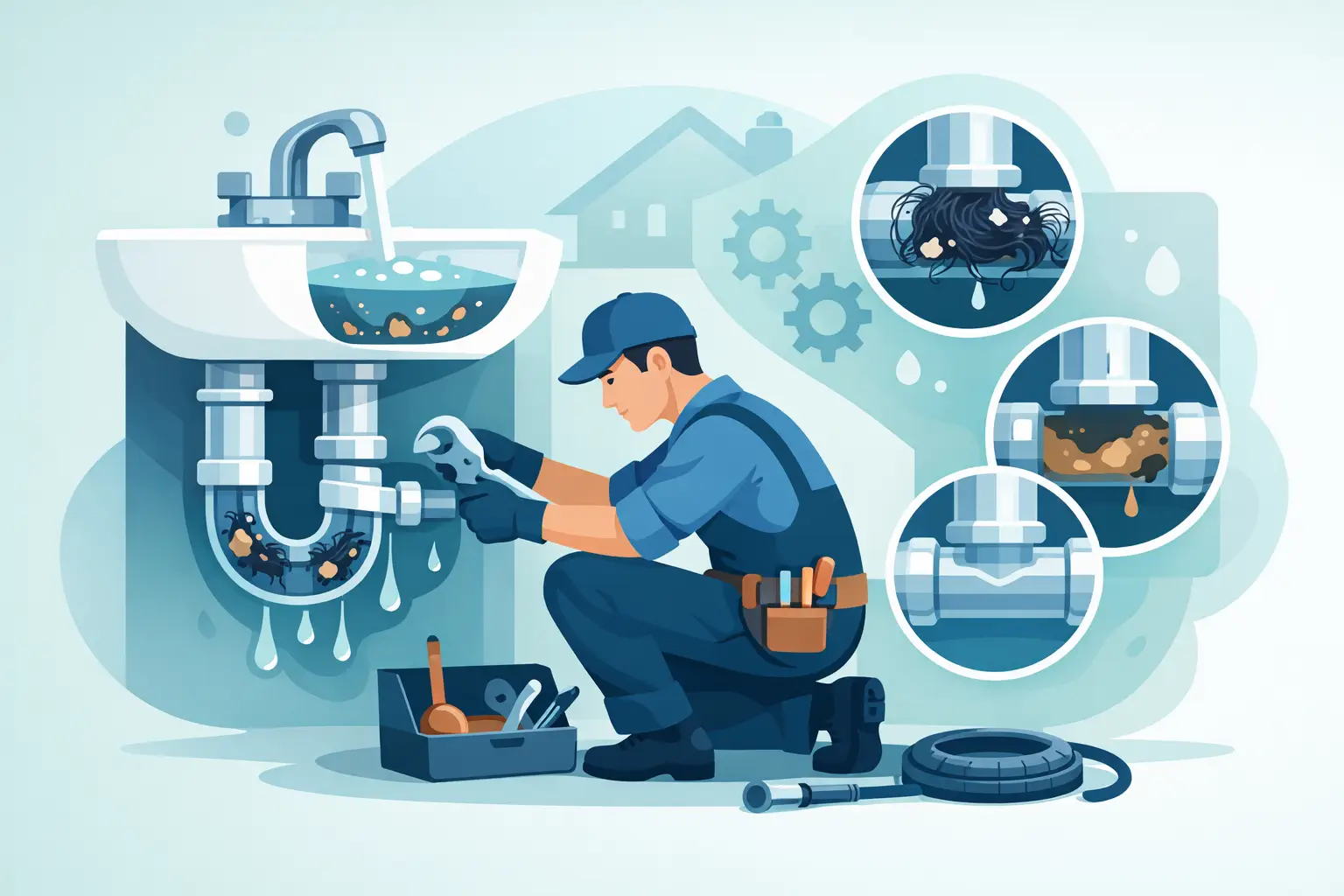
A sink that takes forever to empty usually starts as an annoyance. Then the shower begins holding water around your feet, the kitchen drain starts gurgling, and suddenly you are looking for a slow drain repair service before a minor issue turns into a backup.
Slow drains are rarely random. In most cases, they point to a restriction somewhere in the line, a venting problem, buildup inside the pipe, or the early signs of a larger sewer issue. The key is not just getting water to move again for the moment. The real job is finding out why it slowed down in the first place and fixing that cause correctly.
What a slow drain usually means
A slow drain happens when wastewater can still pass through the pipe, but not at the speed the system was designed to handle. That distinction matters. A full blockage is obvious. A slow drain is easier to ignore, which is why it often gets worse over time.
In bathroom sinks, tubs, and showers, the problem is often hair, soap residue, and scale collecting along the pipe walls. In kitchen drains, grease, food particles, and sludge are common culprits. In commercial settings, especially restaurants and multi-use properties, buildup can happen faster and deeper in the system because of higher volume and heavier waste.
But buildup is not the only possibility. A slow drain can also mean the line has a sag, partial collapse, root intrusion, or debris lodged farther down the branch line or main sewer. If more than one fixture is draining slowly, the issue may be beyond a single sink or tub.
When a slow drain repair service is the right call
There is a difference between a drain that had one rough day and a drain that keeps showing the same warning signs. If the problem returns after hot water, a plunger, or a store-bought cleaner, that is usually your answer. The obstruction was not removed fully, or the actual cause was never addressed.
You should take a slow drain seriously when water backs up into another fixture, when the drain makes gurgling sounds, when bad odors start coming up from the pipe, or when multiple drains in the property begin acting the same way. Those signs point to a system issue, not a surface-level clog.
For homeowners, that can mean a branch line restriction or an issue in the main sewer. For property managers and business owners, it can mean the problem is affecting more of the building than tenants or staff realize. Waiting too long increases the chance of a full backup, water damage, downtime, and a much more disruptive repair.
Why temporary drain fixes often fail
A lot of slow drains get treated with whatever is closest – liquid cleaners, drain crystals, improvised tools, or repeated plunging. Sometimes that buys a little time. It rarely solves the full problem.
Chemical products may open a small path through the blockage, but they usually leave material behind on the pipe walls. That remaining buildup catches more debris, and the line slows again. In some cases, aggressive chemicals can also create more problems in older plumbing systems.
Hand tools have limits too. A basic snake may punch through one section of debris without clearing the full diameter of the line. That is why a drain can seem better for a few days and then fall right back into the same pattern. If the line has grease, sludge, roots, or a structural defect, the right repair depends on knowing what is actually inside the pipe.
How professional diagnosis changes the repair
A proper slow drain repair service starts with diagnosis, not guesswork. That matters because the best solution for a hair clog in a shower line is not the same solution for roots in a sewer line or grease buildup in a commercial kitchen drain.
In many cases, the first step is evaluating which fixtures are affected and how the system is behaving under use. If the symptoms suggest a deeper issue, a camera inspection can confirm whether the line has buildup, breaks, offsets, root intrusion, or other damage. That takes the guesswork out of the process and helps avoid the wrong repair.
Once the cause is confirmed, the repair can be matched to the condition of the line. Some drains need mechanical cleaning. Some need hydro jetting to fully scour the pipe walls. Others need repair because the problem is not just buildup – it is damage or failure in the line itself.
That is where experience matters. The goal is not to force water through and call it done. The goal is to restore proper flow and reduce the chance of the same issue coming back next month.
The most common repair methods
Not every slow drain needs the same level of work, and that is exactly why honest diagnosis matters.
For minor to moderate obstructions, professional drain cleaning may be enough to remove the restriction and restore flow. This is common in sinks, tubs, laundry drains, and branch lines where the issue is concentrated in one area.
When the pipe walls are coated with grease, soap, sludge, or heavy debris, hydro jetting may be the better option. Hydro jetting does more than poke a hole through the blockage. It cleans the inside of the pipe much more thoroughly, which is often the better long-term fix for recurring slow drains.
If a camera inspection shows root intrusion, cracking, offset joints, or a deteriorated sewer line, cleaning alone may not solve the problem for long. In those cases, a repair or replacement may be the only reliable answer. That is especially true when slow drains are happening throughout the property or returning after repeated cleaning attempts.
Slow drains in older Chicago-area plumbing systems
In the Chicago area, older homes and buildings often come with aging drain and sewer infrastructure. Cast iron lines can develop scale and corrosion inside the pipe. Clay sewer lines are more vulnerable to root intrusion. Older systems may also have shifting, settling, or previous patchwork repairs that affect drainage.
That does not mean every slow drain is a major sewer problem. It does mean recurring drain issues should be looked at carefully instead of brushed off. In an older property, what appears to be a stubborn clog may actually be the symptom of a line that has narrowed over time or started to fail underground.
This is one reason a professional inspection is often the smarter move when the same drain keeps slowing down. It helps separate a routine cleaning issue from a repair issue before the problem escalates.
What homeowners and property managers should watch for
One slow sink by itself may stay localized for a while. A drain issue that spreads is different. If tubs, toilets, floor drains, or kitchen lines start reacting to each other, that is a red flag.
Property managers should also pay attention to patterns. Repeated complaints from one unit stack, recurring kitchen drain issues, or floor drains that are slow after heavy use can point to a broader line condition. Commercial properties, especially restaurants and multi-unit buildings, can develop serious restrictions before a full blockage makes the issue impossible to ignore.
Homeowners tend to notice the inconvenience first. Commercial customers often feel it in operations. Either way, the earlier the line is assessed, the better the chance of solving it with less disruption.
Choosing a slow drain repair service that does the job right
When you call for a slow drain repair service, you want more than a fast arrival. You want a company that can identify the cause, explain the findings clearly, and recommend the right repair based on what the system actually needs.
That means looking for a team that handles more than basic drain opening. If the issue turns out to involve a deeper blockage, sewer line condition, or heavy buildup, the contractor should have the equipment and field experience to deal with it properly. Clear communication matters too. You should know what was found, what was done, and whether the drain line shows signs of a larger problem.
At Grayson Sewer and Drain, that approach is simple: diagnose accurately, repair what needs to be repaired, and avoid temporary fixes that leave customers dealing with the same problem again.
A slow drain rarely gets better on its own. If water is taking longer to clear, odors are building, or more than one fixture is affected, it is time to treat it like the warning sign it is and get the line checked before slow turns into stopped.
Related Articles

Sewer Repair vs Replacement: What to Choose
By |

Commercial Drain Cleaning Service Basics
By |
